Face Mask Sewing Pattern Design 2
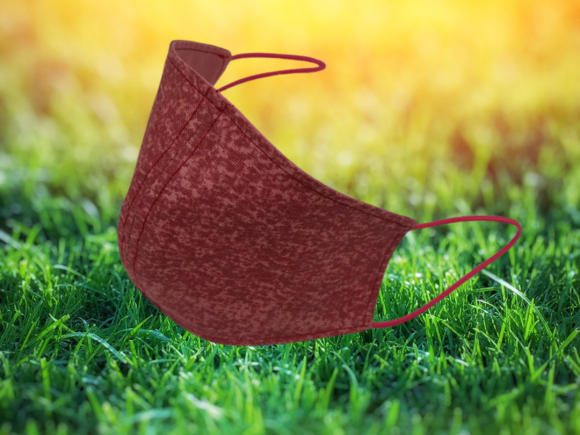
Face Mask Sewing Pattern Design 2 is a versatile and practical solution for anyone looking to create custom face masks. Designed with both adults and children in mind, this pattern offers a balance of comfort, fit, and functionality. The 3D design ensures a better seal around the face, making it ideal for everyday use or special occasions.
The pattern includes a 0.39-inch (1 cm) allowance for seams, which simplifies the sewing process and ensures a professional finish. Whether you're a seasoned sewer or just starting out, this design provides clear instructions and adaptable features that cater to different skill levels.
Key Features of Face Mask Sewing Pattern Design 2
One of the standout features of Face Mask Sewing Pattern Design 2 is its attention to detail. The final size for adults is 8.6 inches (22 cm) by 5.1 inches (13 cm), while the children's version measures 7 inches (18 cm) by 4.1 inches (10.5 cm). These dimensions ensure a snug yet comfortable fit for various face shapes and sizes.
The pattern also allows for customization. Users can choose from different fabric types, such as cotton or cotton blends, to suit their preferences. Elastic options like rounded or thin flat elastic provide flexibility in securing the mask around the ears, ensuring a secure and comfortable fit.
Additional tools like a printer, US Letter or A4 paper, scissors, a ruler, and a pencil are essential for creating the pattern. For those looking to enhance their mask, a roll of craft wire or a filter can be added for extra structure or filtration.
Creative Possibilities with Face Mask Sewing Pattern Design 2
Face Mask Sewing Pattern Design 2 opens up a world of creative possibilities. From simple daily masks to more elaborate designs, the pattern serves as a foundation for personal expression. You can experiment with different fabrics, colors, and patterns to create unique pieces that reflect your style or brand.
For example, a designer might use the pattern to create a line of reusable masks that feature bold prints or intricate embroidery. A small business owner could offer custom masks with personalized details, such as names or logos, to appeal to a niche market. Educators might use the pattern to teach students about sewing, sustainability, and design thinking.
Another creative approach is to incorporate the pattern into a larger project. For instance, a blogger could share a series of tutorials on how to modify the mask for different uses, such as a travel mask, a sports mask, or a decorative accessory. This not only adds value but also encourages engagement and interaction with the audience.
Adapting the Pattern for Different Goals and Audiences
Face Mask Sewing Pattern Design 2 is highly adaptable, making it suitable for a wide range of goals and audiences. For instance, if you're targeting a younger demographic, you might focus on vibrant colors and playful designs. If your audience is more professional, you could emphasize clean lines, minimalism, and high-quality materials.
Users can also adjust the pattern based on specific needs. For example, someone who spends a lot of time outdoors might add a filter or use a more durable fabric. A parent looking for a mask for their child could choose softer materials and include fun elements like embroidered animals or characters.
Additionally, the pattern can be modified for different platforms. A social media influencer might create a video tutorial showing how to sew the mask, while a content creator could write a blog post detailing the benefits of using the pattern. These variations allow the design to reach and resonate with diverse audiences.
Practical Tips for Using Face Mask Sewing Pattern Design 2
To get the most out of Face Mask Sewing Pattern Design 2, it's important to follow a few practical tips. First, ensure that you have all the necessary materials before starting. This includes the pattern itself, fabric, elastic, and any additional tools you may need.
When printing the pattern, double-check that the settings are correct to avoid any scaling issues. Using PDF software like Adobe Acrobat or Foxit can help maintain the accuracy of the measurements. If you're working with a group or teaching others, consider providing printed copies or digital files for easy access.
Finally, take the time to test the mask before finalizing it. Try it on to ensure the fit is comfortable and the seams are secure. Making adjustments as needed will result in a better final product that meets your expectations and those of your audience.
Conclusion
Face Mask Sewing Pattern Design 2 is a valuable resource for anyone interested in creating custom face masks. Its thoughtful design, adaptability, and practicality make it an excellent choice for both beginners and experienced sewers. Whether you're looking to express your creativity, meet a specific need, or explore new ideas, this pattern offers a solid foundation for success.