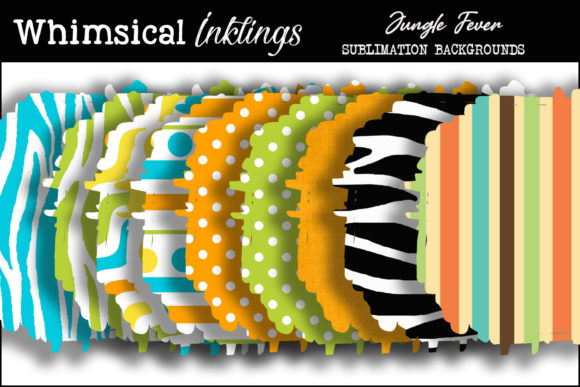
Paper Texture Background
Whether you're working on a design project, creating content for social media, or simply looking for a unique wallpaper, paper texture backgrounds offer a versatile and visually appealing option. These textures mimic the look and feel of real paper, adding depth, character, and a touch of authenticity to digital creations. From desktop wallpapers to scrapbooking projects, paper texture backgrounds can elevate your work in countless ways.
What Is a Paper Texture Background?
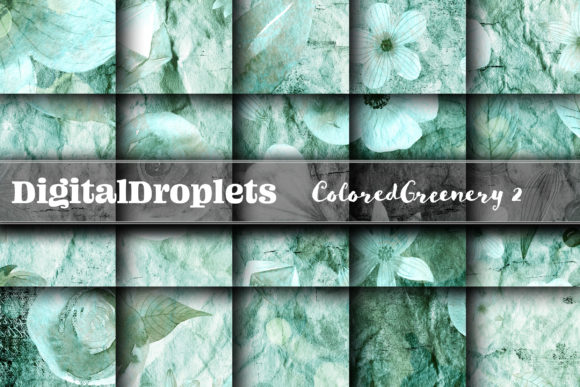
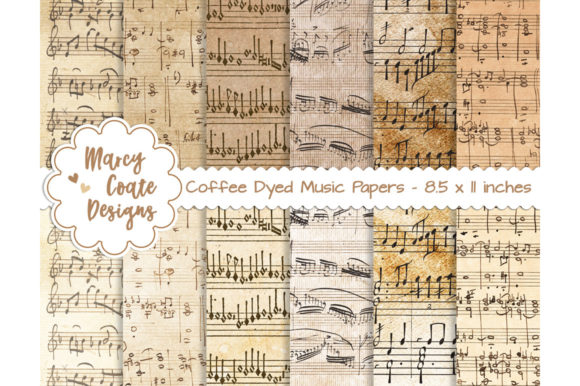
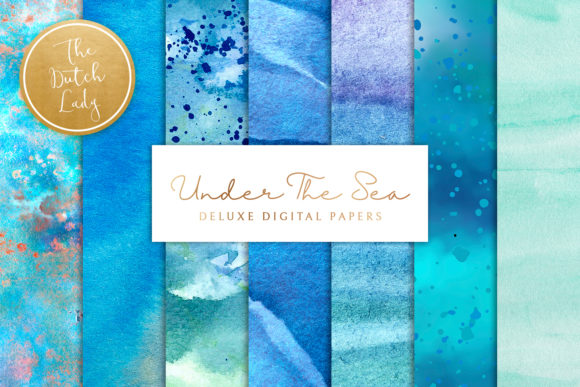
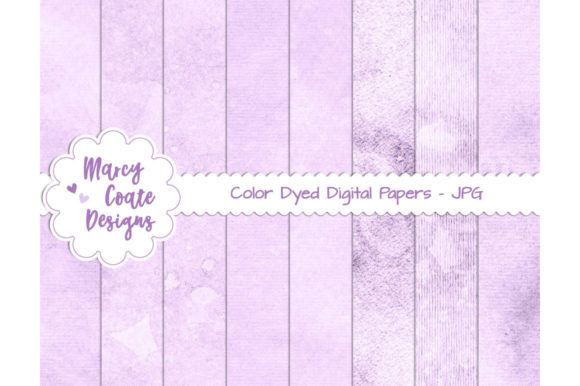
A paper texture background is a digital image that replicates the appearance of physical paper. It often includes subtle imperfections, grain, and variations in color or tone to create a realistic effect. These backgrounds are commonly used in graphic design, photography, and digital art to add a tactile quality to otherwise flat or digital elements. They come in various styles, from vintage to modern, and can be customized to suit different creative needs.
Why Different Audiences Care About Paper Texture Backgrounds
The value of a paper texture background can vary depending on who is using it. For example, a beginner might appreciate the ease of finding pre-made textures to enhance their projects without needing advanced design skills. A professional designer, on the other hand, may seek high-quality textures that offer flexibility and customization options. Educators might use these backgrounds to create engaging materials, while small business owners could incorporate them into marketing assets for a more personal touch.
How Beginners Might Use Paper Texture Backgrounds
If you're new to design, paper texture backgrounds can serve as a great starting point. They allow you to experiment with layouts, colors, and compositions without the need for complex tools. For instance, a blogger looking to create a visually appealing header for their website could use a paper texture background to add a warm, inviting feel. Similarly, a student working on a presentation might choose a textured background to make their slides stand out.
Why Professionals Value Quality and Customization
Experienced designers and creatives often prioritize quality and flexibility when selecting paper texture backgrounds. High-resolution images with precise color accuracy are essential for professional-grade work. A photographer might use a paper texture background to create a vintage-style photo collage, while a graphic designer could integrate it into a logo or branding project. The ability to customize the texture—such as adjusting brightness, contrast, or layering effects—makes these backgrounds even more valuable for advanced users.
Practical Uses Across Industries
Business owners and marketers can benefit from paper texture backgrounds by incorporating them into social media posts, email newsletters, or promotional materials. These textures add a sense of craftsmanship and authenticity, which can resonate well with audiences looking for something more personal than generic digital designs. For example, a boutique owner might use a paper texture background on their Instagram feed to create a cohesive, handmade aesthetic that aligns with their brand identity.
Scrapbooking and Creative Projects
Hobbyists and crafters often turn to paper texture backgrounds for scrapbooking, card making, or DIY projects. These textures can simulate the look of handmade paper, giving a project a more organic and personalized feel. A scrapbooker might combine multiple paper textures to create a layered, dimensional effect, while a card maker could use a single texture to add visual interest to a greeting card. The versatility of these backgrounds makes them ideal for a wide range of creative applications.
Education and Learning Materials
Educators and content creators can also find value in paper texture backgrounds. When designing lesson plans, worksheets, or e-learning modules, using a textured background can make the material more engaging and visually appealing. For instance, a teacher creating a printable worksheet might choose a subtle paper texture to give the document a more professional and organized look. This can help students stay focused and improve the overall learning experience.
Key Considerations When Choosing Paper Texture Backgrounds
When selecting a paper texture background, there are several factors to consider. High resolution and proper color mode are essential for ensuring that the texture looks sharp and professional. JPEG format is widely supported and offers good quality, making it a practical choice for most users. Additionally, the size of the image matters—larger dimensions allow for more flexibility in different design contexts, such as mobile backgrounds or desktop wallpapers.
For those who want to use these textures in commercial projects, it's important to check licensing terms. Some textures may be available for free, while others require a purchase or subscription. Understanding the usage rights ensures that you can confidently incorporate the background into your work without legal concerns.
Conclusion
Paper texture backgrounds offer a powerful way to add depth, character, and authenticity to digital projects. Whether you're a beginner exploring design for the first time or a seasoned professional looking for high-quality resources, there's a paper texture background that can meet your needs. By considering factors like resolution, file format, and customization options, you can find the perfect texture to enhance your creative work and achieve the desired visual impact.