Wood Grain Seamless Pattern Woodland
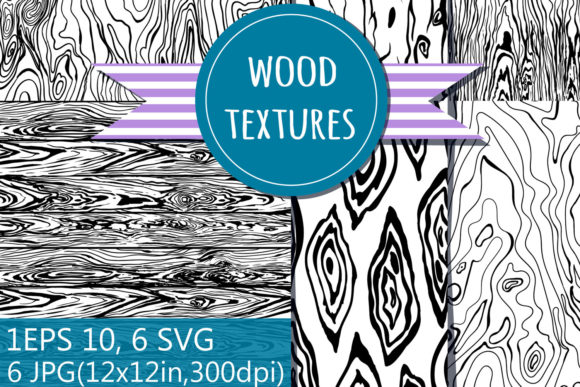
Wood Grain Seamless Pattern Woodland offers a unique blend of natural beauty and artistic versatility. This digital paper pack features a rich, textured wood grain pattern that evokes the warmth and authenticity of real wood. The design is ideal for projects that require a touch of rustic charm or organic elegance.
The visual characteristics of this pattern are defined by its seamless repetition, which allows it to be used across large areas without visible seams. The wood grain texture adds depth and dimension, making it perfect for backgrounds, overlays, and decorative elements. The overall aesthetic is both timeless and modern, blending traditional craftsmanship with contemporary design sensibilities.
This pattern has a personality that's grounded and inviting. It brings a sense of nature into any project, whether it's a digital layout, print material, or a personal craft endeavor. Its style is versatile enough to work in both minimalist and detailed designs, offering flexibility for various creative applications.
Where Wood Grain Seamless Pattern Woodland Shines
Wood Grain Seamless Pattern Woodland is a valuable asset for a wide range of creative and commercial projects. In branding, it can add a tactile quality to logos, stationery, and packaging, reinforcing a brand’s connection to nature or artisanal values. For editorial design, it serves as an engaging background for articles, magazines, or newsletters that focus on lifestyle, sustainability, or outdoor themes.
In web design, this pattern can be used as a subtle backdrop for landing pages, blog posts, or social media graphics. Its high-resolution format ensures it looks crisp and professional at any scale. For print materials, such as business cards, brochures, or posters, the 300 dpi resolution guarantees sharp and clear results.
Crafters and hobbyists will find this pattern useful for scrapbooking, card making, and DIY projects. The included file formats—JPG, SVG, and EPS—make it easy to integrate into digital tools like Adobe Illustrator, Photoshop, or graphic design software. The variety of file types also supports different workflows, from vector-based illustrations to raster-based images.
How Wood Grain Seamless Pattern Woodland Influences Design
The choice of a wood grain pattern like Wood Grain Seamless Pattern Woodland can significantly impact readability, visual hierarchy, and brand perception. When used as a background, it should be paired carefully with text to ensure legibility. A light-colored typeface on a darker wood grain background can create a striking contrast, while a neutral tone may offer a more subdued effect.
In terms of brand identity, this pattern can reinforce a brand’s message or values. A company focused on eco-friendly products might use it to convey authenticity and environmental responsibility. For a more upscale or artisanal brand, the texture can add a layer of sophistication and craftsmanship.
Consistency is key when using this pattern across multiple design assets. Whether it's a website, social media post, or printed material, maintaining a cohesive look helps build brand recognition. The seamless nature of the pattern makes it easier to apply consistently without disrupting the visual flow.
Audience engagement can also benefit from the use of this pattern. Its natural and organic feel can evoke positive emotions, making content more relatable and memorable. It works well in campaigns that aim to connect with audiences on a personal or emotional level.
Choosing the Right Font for Your Project
When selecting fonts to pair with Wood Grain Seamless Pattern Woodland, consider the tone and purpose of your project. A serif font might complement the organic feel of the pattern, adding a classic and refined touch. A sans serif font could provide a modern contrast, balancing the texture with clean lines and simplicity.
For logo design, a custom or handwritten font might enhance the natural theme, creating a unique and personalized look. However, it's important to test different font pairings to ensure they work well together. Experiment with sizes, spacing, and colors to find the best combination for your specific needs.
Reviewing the included styles and file formats is essential before starting a project. The 6 JPG files offer high-quality raster images, while the 6 SVG files allow for scalable vector graphics. The single EPS file provides a professional-grade option for print and design software. Understanding the strengths of each format can help you make informed decisions about how to use them.
Readability should always be a priority, especially when using textures as backgrounds. If the pattern is too busy or dark, it may interfere with the clarity of text. In such cases, consider adjusting the opacity or using a solid color overlay to improve legibility.
Commercial licensing is another important factor to consider. Ensure that the font or pattern you choose allows for the intended use, whether it's for personal projects, small businesses, or larger commercial ventures. The included license information should clarify these details, helping you avoid potential legal issues.